
Gen Z and Millennials are often labeled the “most complicated” generations — easily bored, prone to overthinking, driven by FOMO, and overly concerned with validation. But those very traits are also their strengths. From a generational psychology perspective, both Gen Z and Millennials share one dominant characteristic: a high awareness of identity and personal meaning. When directed with purpose, this awareness can translate into real contributions to national economic growth.
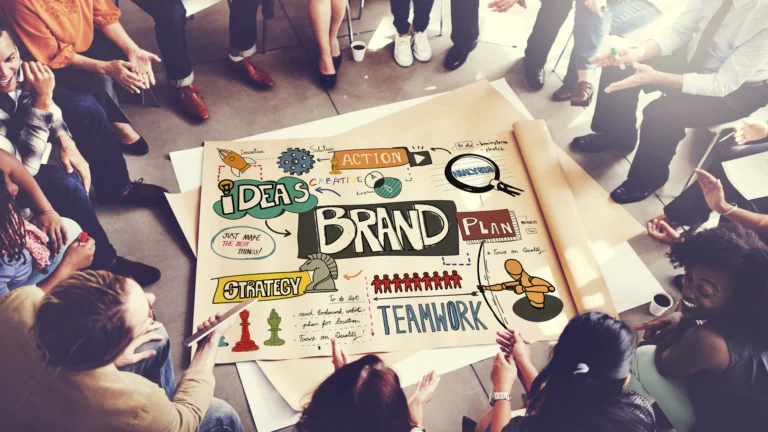
In today’s global economy, competition is no longer just about products or cheap labor. It’s about reputation, trust, and perceived value. In international economic terms, personal and business branding are forms of intangible economic capital. They build trust, accelerate transactions, and open doors to global markets.
For young Indonesians, contributing to the economy doesn’t always require building a large corporation or holding a prestigious title. Strategic digital branding can serve as a powerful economic multiplier.
Here are several strategic insights viewed through the lens of Gen Z and Millennial psychology:
1. Build Identity, Not Just Popularity
Psychologically, Gen Z is drawn to authentic self-expression. But in the global economy, authenticity without direction often becomes noise. Impactful personal branding requires clear positioning: what you are known for, in which field, and what value you bring. This clarity helps the market understand you quickly and accurately.
2. Treat Your Digital Presence as an Economic Signal
LinkedIn, Instagram, TikTok, and personal websites are not just social platforms — they are trust platforms. In international markets, your digital footprint functions as a credibility signal. Consistently sharing insights, work, and measurable impact increases your perceived competence in the eyes of a global audience.
3. See Branding as Contribution, Not Image-Making
Gen Z psychology is highly sensitive to anything that feels inauthentic. That’s why branding must be grounded in real impact and meaningful contribution. When young people build businesses, communities, or creative work with clear value, they generate jobs, stimulate consumption, and help drive economic activity from the micro to the macro level.
4. Use International Awards as Trust Accelerators
At the global level, credible awards serve as third-party validation. This matters both psychologically and economically. Psychologically, recognition strengthens self-efficacy. Economically, it reduces information asymmetry — the market doesn’t have to guess your quality. This speeds up cross-border collaboration and investment.
5. Choose Collaboration Over Competition
Gen Z is inherently collaborative, which aligns with the principles of the network economy. Strong branding is not built alone, but within an ecosystem. Cross-industry, cross-country, and cross-community collaborations create network effects that directly contribute to economic growth.
6. Position Yourself as a Global Citizen
Young Indonesians possess cultural richness, creativity, and unique local perspectives. When packaged through strong digital branding and recognized internationally, these qualities become a form of economic soft power. A nation grows when its people are trusted and respected on the global stage.
In today’s world, reputation is an asset. Young people who understand branding are not only building their personal futures — they are also strengthening global trust in Indonesia. And in the global economy, trusted nations are the ones that grow.