

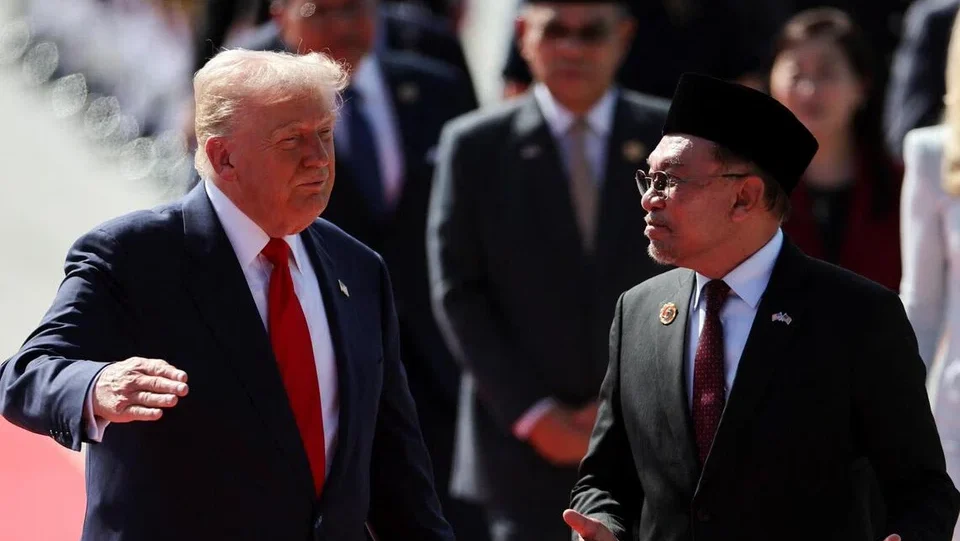
Singapore — Southeast Asia finds itself at the center of a delicate balancing act. Malaysia’s recent trade deal with the United States has been met with a swift countermove from China, underscoring the region’s role as a contested arena for economic influence. The push and pull between Washington and Beijing is not new, but the intensity of these maneuvers highlights the strategic weight of ASEAN nations in shaping global trade flows.
From a premium editorial perspective, this is more than a matter of tariffs and agreements. It is a test of sovereignty, resilience, and foresight. Malaysia’s engagement with the US signals a desire to diversify partnerships and reduce dependency, while China’s counter‑pact reflects its determination to maintain primacy in the region. For Southeast Asian states, the challenge lies in navigating these competing offers without compromising long‑term stability.
Observers note that trade deals are rarely just economic instruments. They carry political symbolism, shaping perceptions of alignment and trust. The US seeks to reaffirm its relevance in Asia, while China leverages proximity and scale to assert dominance. ASEAN nations, caught in the middle, must weigh immediate gains against the risks of entanglement in great‑power rivalry.
The editorial narrative emphasizes that Southeast Asia’s strength lies in collective strategy. By coordinating policies and asserting regional priorities, ASEAN can transform external pressures into opportunities. Yet this requires unity, which has historically been difficult to sustain amid diverse national interests.
Ultimately, Malaysia’s trade deal and China’s counter‑pact are reminders that Southeast Asia is not a passive stage but an active player. Its choices will define not only its economic trajectory but also the balance of power in the Indo‑Pacific.